

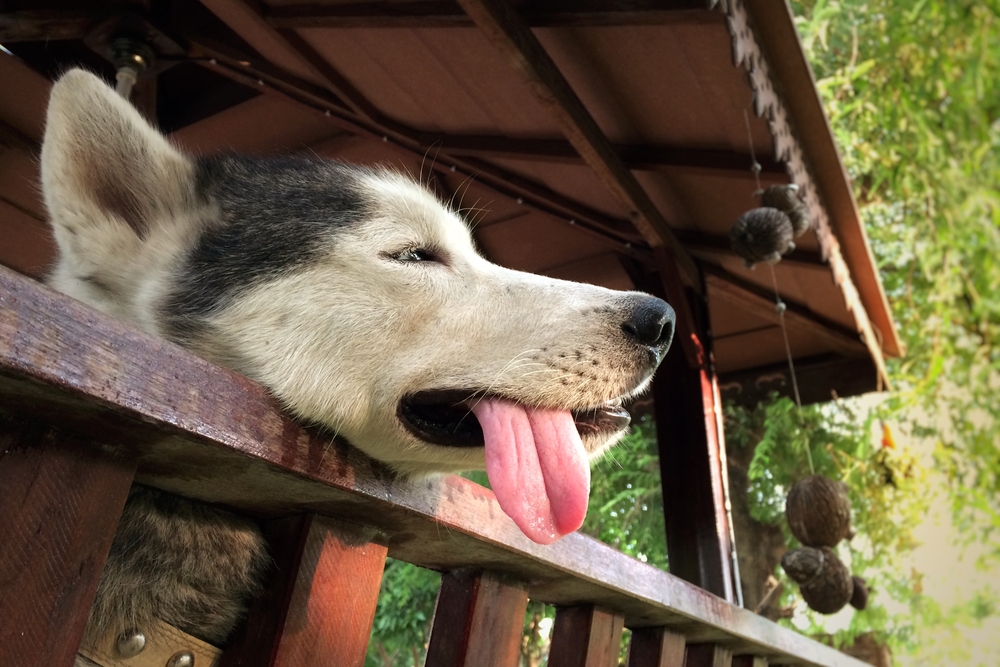
Heat stroke kills pets so quickly because once a dog or cat’s core body temperature climbs past 105 or 106 degrees, multiple heat-sensitive organ systems start to fail in parallel. Kidney tissue, liver cells, and the proteins that control clotting begin breaking down inside the first several minutes of severe overheating. A panting dog who still looks tired but upright can slip into bloody diarrhea, seizures, or collapse a quarter of an hour later. That is why the first ten minutes of careful cooling at home, paired with a fast drive in, decide most outcomes.
If your dog or cat is overheating in Keokuk, bring them straight to Krichel Animal Hospital during our regular hours and we will be ready and gentle with them from the moment you walk in for our AAHA-accredited expert veterinary care. We have the in-house lab to check kidney values, liver enzymes, and clotting right away, and we will keep you informed through the whole workup. Call us on your way so we can prep a treatment space before you pull into the parking lot.
The Quick Version Worth Keeping Handy
- Heat stroke is a true emergency, and the first ten minutes of cool (not icy) water on the paws, belly, and armpits plus airflow can change the outcome before you ever reach us.
- Dogs and cats cool themselves mainly by panting, so flat-faced breeds, heavy-coated pets, seniors, puppies, kittens, and overweight animals overheat much faster than people do.
- A pet who bounces back after cooling still needs to be seen, because kidney, liver, heart, and clotting problems can surface a full day or two after the heat event.
- Most heat stroke is preventable with cool-hour walks, constant fresh water, indoor comfort during peak heat, and the simple rule that no pet ever waits in a parked car.
Which Pets Are Most Likely to Overheat, and Why?
Flat-faced breeds like Bulldogs, Pugs, and Persians overheat fastest, along with thick-coated dogs, puppies and seniors, overweight pets, and any pet with heart or breathing trouble. Dogs and cats barely sweat, so panting is their main cooling tool, and it stops working as efficiently on a humid Iowa afternoon.
Panting moves air across a wet tongue and airway so heat evaporates away, which works until the outside air gets hot and sticky and there is nowhere for the heat to go. Some pets start behind before they ever step out the door, because a few traits stack the deck:
- Flat faces: Bulldogs, Boxers, Pugs, Persians, and other smush-nosed pets have crowded airways that make panting less effective. For flat-faced breeds, brachycephalic thermoregulation is already a losing battle, and every extra pound of body condition shrinks their margin further on a hot day.
- Thick or dark coats: Huskies, Golden Retrievers, and long-haired cats carry insulation built for cold, which traps heat when the mercury climbs.
- Age extremes: Puppies and kittens have not fine-tuned their temperature control yet, and senior pets often cannot keep up with a fast swing in heat.
- Body condition: Extra weight acts like a winter coat that never comes off, and it makes the heart and lungs work harder to cool the body.
- Underlying conditions: Heart disease, laryngeal problems, and breathing disorders all shrink the safety margin.
Because every pet runs a little different, heat plans should be personal. If your dog or cat carries extra pounds or has a flat face, weight management and nutrition counseling can meaningfully lower their heat risk over a summer, and we are happy to sort out what a safe warm-weather routine looks like for your specific pet.
What Does Heat Stroke Look Like as It Gets Worse?
Early heat stroke looks like heavy, frantic panting, thick ropey drool, a bright red tongue and gums, and a restless pet hunting for cool floors. As it worsens, watch for vomiting, diarrhea that can turn bloody, a wobbly gait, glazed eyes, collapse, or seizures. Heat stroke climbs a ladder, so these signs mean it is escalating, not settling.
Those early signs of heatstroke in pets are your cue to act. Here is roughly how it progresses:
| Stage | What you might see | What it means |
| Early / mild | Heavy panting, restlessness, seeking cool spots, bright red gums, thick drool | The body is working hard to cool down and needs help now |
| Moderate | Weakness, wobbliness, vomiting, diarrhea, glazed or distant look | Cooling is falling behind; head in without delay |
| Severe | Collapse, bloody diarrhea, seizures, very pale or muddy gums, unresponsiveness | Organs are already at risk; this is life-threatening |
One honest note: cats hide trouble better than dogs, and open-mouth panting in a cat is never normal. If you catch your cat breathing with their mouth open, treat it as an emergency and call us.
Your First Moves Before You Reach the Clinic
The first move is to get your pet out of the heat and start bringing their temperature down right away, then head in. The core of active cooling at home is cool tap water and airflow on the paws, belly, and armpits, never an ice bath that can clamp the blood vessels shut. Work through these steps calmly:
- Get to cool air: Move your pet into shade, an air-conditioned room, or in front of a fan first.
- Wet the right spots: Run cool or tepid water over the paws, belly, groin, and armpits, where blood runs close to the surface.
- Add airflow: A fan or the car’s AC on the drive in helps evaporation do its work.
- Offer small sips: A little cool water is fine if your pet wants it, but never pour it into their mouth or force it.
- Skip the extremes: No ice baths, no ice-cold water, and do not drape a soaking wet towel and leave it, since a trapped towel holds heat in.
- Stop and go: Cool for a few minutes, then get moving so we can take over.
Cooling at home buys time, but it does not replace an exam. Call us right away so we can have a treatment space ready when you arrive, or drive to the nearest emergency hospital if we are closed. Even a pet who seems to perk up on the drive should be checked.
How Do We Treat a Heat Stroke Case in the Hospital?
Heatstroke treatment in the hospital works on three fronts at once: safely lowering body temperature, giving IV fluids to restore blood volume and support the organs, and staying ahead of the complications heat injury sets in motion. The first 24 hours carry the highest risk of death, so we aim for careful, controlled care over any single quick fix.
Cooling is measured and monitored so we do not swing your pet’s temperature too far the other way, which is its own danger. IV fluids do the heavy lifting for blood pressure and kidney support, and oxygen goes on if breathing is labored. From there, the exam turns to what the heat may have hurt. Our in-house laboratory and diagnostics let us check kidney values, liver enzymes, blood sugar, and clotting quickly, and our digital X-ray and EKG help us look at the chest and heart rhythm when a case calls for it. Running those tests on site means we are not waiting on results while the clock is ticking.
The Danger That Shows Up After Your Pet Looks Better
A pet can look bright and steady an hour after cooling and still face delayed organ damage after a heat event, with the kidneys, liver, heart, and gut all vulnerable across the 24 to 72 hours that follow. This is the part that surprises many families. The body’s inflammatory response can spiral into a whole-body reaction called SIRS, the gut lining can slough and let bacteria in, and dehydration can quietly worsen. The ability to form clots is a particular worry: heat injury this severe can trigger dangerous clotting abnormalities, where the blood clots and the body bleeds internally at the same time, which is exactly why monitoring continues even after your pet looks stable.
This is why we recheck values and keep an eye on pets after a heat event rather than sending everyone straight home. If a problem is brewing after hours, you can reach the doctor on call for guidance on whether your pet needs to be seen right away. Better a call that turns out to be nothing than a complication caught too late.
How Do You Keep Your Pet Ahead of the Heat?
Staying ahead of the heat is mostly water, shade, and pacing. Keep fresh water in front of your pet at all times, plan the hardest activity for the cool hours, and build in shaded rest breaks before your pet looks tired. Treat that first steady panting as the cue to stop and cool down, not a sign to push through.
A handful of simple hydration and cooling aids keep your pet ahead of the heat instead of chasing it: a full portable water bottle, a mat that stays cool, a damp towel, and frequent shaded breaks. Every pet has a different tolerance, so if you want product suggestions matched to your dog or cat, our team is glad to talk it through.
Timing Walks and Play So the Heat Never Wins
Timing is everything. Preventing heatstroke on walks comes down to saving walks and hard play for early morning or late evening, dialing back the pace when it is hot, and pressing the back of your hand to the pavement before you step off the porch. If you cannot hold your hand on the asphalt for seven seconds, it is too hot for paw pads, which burn easily on sun-baked surfaces; grass and shaded dirt are kinder options on a scorcher. Cut things short at the first sign your pet is struggling, well before heavy panting turns into wobbling or lagging behind. Planning safe activity levels for an older or heat-sensitive pet is worth a conversation, so feel free to book a wellness visit if you want help mapping out a summer routine.
The Parked-Car Rule That Saves Lives Every Summer
A parked car turns into an oven faster than almost anyone expects, and it is one of the most common ways pets die from heat. A car can hit 120 degrees within 20 minutes on an 85-degree day, and hot vehicles take pets’ lives every summer even with the windows cracked. That sliver of open glass does almost nothing because there is no real airflow, and the interior temperature keeps climbing regardless.
How Do You Keep a Pet Busy When It’s Too Hot Outside?
The best hot-weather plan is often to stay in. Run the AC or fans, give your pet cool tile or a shaded resting spot, and keep the mind busy so a bored pet is not begging to tear around outside. Puzzle feeders, snuffle mats, scent games, and short training sessions all work the brain gently without raising body heat.
When it is too hot to go out, indoor boredom busters keep a restless pet engaged without the running and wrestling that would push their temperature right back up. A frozen stuffed toy or DIY enrichment toys stretch a snack into a slow, cooling project that burns mental energy instead of raising body heat. Cats often love a chilled treat or a new cardboard hideout in a cool corner. Rotate a few activities so the novelty lasts through a long, hot stretch.
Looking Out for Cats Who Spend Time Outdoors
Outdoor and indoor-outdoor cats need extra planning because they cannot ask for help when they overheat. Give them several shaded water bowls refreshed often, a ventilated shelter out of direct sun, and a cool retreat they can duck into during peak heat hours. On the very hottest days, coaxing a cat inside for a few midday hours is one of the kindest things you can do.
Outdoor cat summer safety leans on refreshing water often, since cats drink less from warm, stale bowls, and placing water stations in a few spots means a cat is never far from a drink. A shaded catio or supervised time outside limits sun exposure while still letting a cat enjoy the fresh air.
What Pet Families Ask Us About Heat Stroke
What temperature is dangerous for dogs and cats?
A normal dog or cat runs around 100 to 102.5 degrees. Trouble starts as the body climbs into the 104 to 105 range, and 106 or above is a medical emergency where organs begin to fail. Outdoor conditions matter too. Humidity makes panting less effective, so a humid day at 85 can be as dangerous as a dry day at 95. When in doubt on a hot, sticky afternoon, err on the side of caution and cool your pet down.
Can I use ice or an ice bath to cool my pet faster?
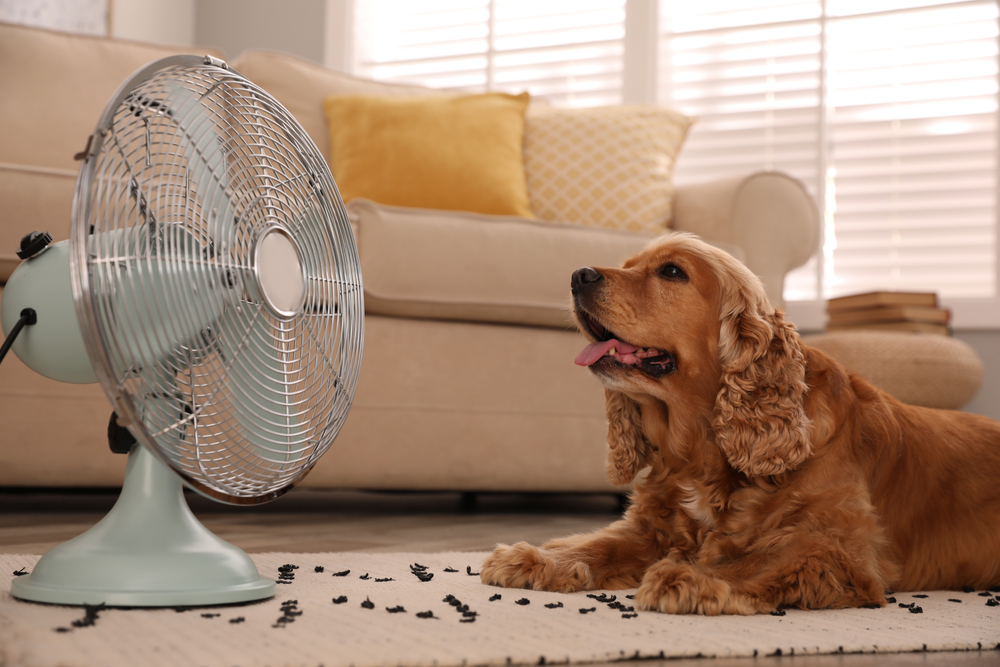
Ice is not the shortcut it seems, and reaching for an ice bath is one of the most common well-meaning mistakes we see. Ice-cold water and ice baths can cause blood vessels near the skin to constrict, which actually traps heat in the core and slows real cooling. Cool or tepid tap water on the paws, belly, and armpits, plus a fan, cools more safely and effectively. Skip the ice, skip the freezing water, and focus on steady evaporative cooling on the way to being seen.
How long does it take for a pet to recover from heat stroke?
Recovery time depends heavily on how hot the pet got and how fast cooling started. A mild case caught early may bounce back in a day or two with supportive care. A severe case can take much longer and sometimes leaves lasting organ effects, which is why the 24 to 72 hour monitoring window matters so much. Every pet is different, so recovery is something we assess and follow with you rather than promise on a fixed timeline.
Your Partner Through Every Hot Keokuk Afternoon
Heat stroke is frightening, but it is also one of the most preventable emergencies we see. Recognizing the early signs, starting gentle cooling right away, and getting in fast are what turn a scary moment into a good outcome, and thoughtful routines around water, cool-hour activity, and indoor comfort keep most pets out of trouble entirely.
If you would like help tailoring a warm-weather plan to your dog or cat, schedule a personalized summer safety plan with us. And if your pet is overheating during our hours, call us right as you head in so we can be ready for them. We are here to be gentle, thorough, and at your side all summer long.


Leave A Comment