

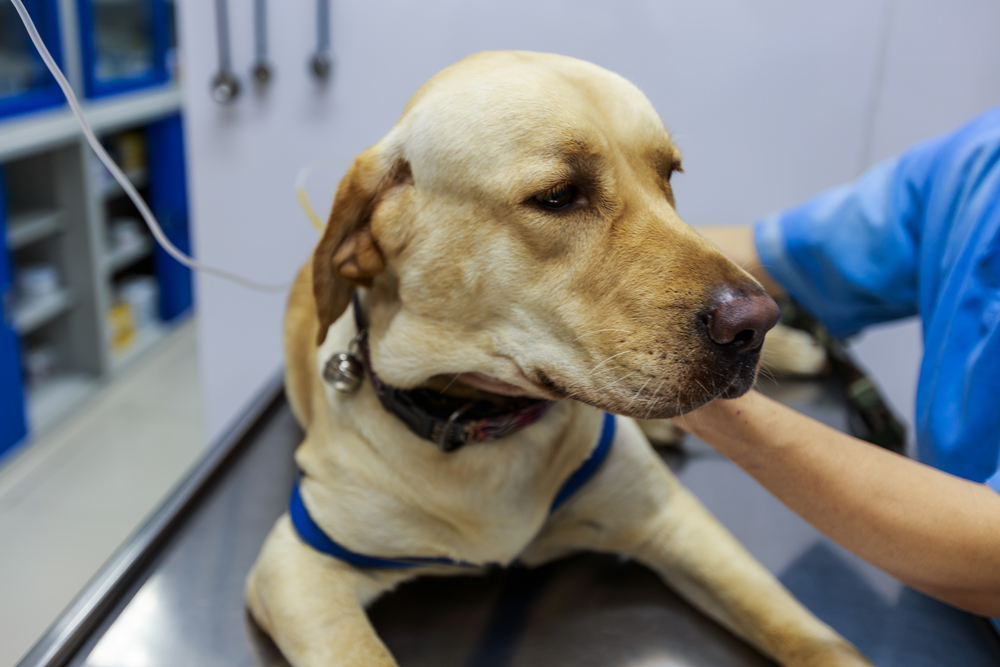
Learning that your pet has one of these autoimmune blood diseases is frightening, but the diagnosis is not the automatic death sentence the worst search results make it out to be, and many pets recover with treatment. Both conditions come from the immune system turning on the body’s own blood: in IMHA, immune-mediated hemolytic anemia, it destroys red blood cells, and in ITP, immune-mediated thrombocytopenia, it destroys the platelets that stop bleeding. Some pets are hit by both at once, a combination called Evans syndrome, which is why the two are treated as close cousins. These diseases move fast, but you did not cause this, and early treatment with careful monitoring is what turns the odds in your pet’s favor.
The monitoring that follows is where Krichel Animal Hospital in Keokuk steps in, with in-house bloodwork that tracks your pet’s red cell and platelet counts over time. That steady follow-up is what these cases depend on, and the rechecks and the questions that come with them are part of the AAHA-accredited veterinary care we provide for dogs and cats. If your pet is weak, bruising, or just not bouncing back, reach out and we will help you make sense of the numbers and what comes next.
Start Here: IMHA and ITP Basics
- IMHA and ITP happen when the immune system mistakenly destroys the body’s own red blood cells or platelets, and both can turn serious within days.
- A large share of cases are secondary, meaning an underlying trigger like a tick-borne infection drives the attack, so finding that trigger is core to getting treatment right.
- Early signs like pale gums, unusual tiredness, unexplained bruising, or dark urine are the window when treatment works best, so act on them the same day.
- The first two weeks after diagnosis carry the most risk, and pets who get through that stretch often go on to do well with steady monitoring.
What Actually Happens When the Immune System Attacks the Blood?
The immune system is built to hunt down invaders, but immune-mediated diseases develop when it mislabels the body’s own blood cells as the enemy and destroys them. Nothing you did caused that misfire, and nothing you could have fed or noticed sooner would have prevented it.
What matters most for treatment is whether the attack is primary or secondary. A primary case means the immune system malfunctions on its own with no identifiable cause, and the goal is to suppress that overactive response directly. A secondary case has something else provoking it: an infection, a medication, a toxin, or a cancer. That distinction changes the whole plan, because a secondary case treated with immune suppression alone tends to relapse until the real trigger is found.
What Are the Odds My Pet Pulls Through?
Honest answer: these are serious diseases, and some pets do not survive them. Most who reach treatment early and respond in the first days do go on to recover, and ITP generally carries a better outlook than IMHA. The first week or two after diagnosis is the highest-risk stretch, which is why monitoring during that window is so intensive.
Four things shape where an individual pet lands:
- How quickly treatment started
- How severe the counts are at diagnosis
- Whether an underlying trigger is found and treated
- Whether abnormal clots develop
That last one matters more than most families expect, since in IMHA clotting is a bigger threat to survival than the anemia itself.
Relapse is a real possibility even after a good recovery, most often when medication is tapered too quickly. That’s not a reason to lose hope; it’s the reason we recheck bloodwork on a schedule instead of assuming a pet who looks and acts normal is finished with treatment. We will be honest with you about what your pet’s numbers show at every step, including when the news is hard.
What Is IMHA, and How Dangerous Is It?
Immune-mediated hemolytic anemia is the immune system destroying red blood cells faster than the body can replace them, which starves organs of the oxygen those cells carry. It’s dangerous for exactly that reason, and the severity runs a wide range, from a pet who seems a little off to a true crisis.
What Are the Early Signs of IMHA I Should Watch For?
The earliest signs are subtle shifts in energy and color:
- Unusual fatigue: cutting a walk short or sleeping far more than normal.
- Faster resting breathing: quick, shallow breaths while lying still.
- Pale or yellow gums: healthy gums are bubble-gum pink, so pale or jaundiced gums are one of the clearest at-home warnings.
- Dark or discolored urine: pigment from destroyed red cells can turn urine orange, brown, or tea-colored.
- Appetite loss: turning away from favorite food usually rides alongside the rest.
Cocker Spaniels develop IMHA more often than most breeds, so their families have all the more reason to act on the first signs.
What Triggers Secondary IMHA?
Infection sits at the top of the list. Tick-transmitted organisms can set off or mimic the disease, and leptospirosis, picked up from contaminated water and soil, can do the same. In cats, hemotropic mycoplasma attaches directly to red blood cells and prompts the immune system to destroy them, while feline leukemia virus is a well-known driver of anemia and immune dysfunction.
Cancer comes next, with lymphoma and hemangiosarcoma both capable of driving red cell destruction. Toxins and medications round out the list, including zinc from a swallowed coin and certain drugs.
Why Are Blood Clots the Hidden Danger in IMHA?
IMHA does something that sounds contradictory: the disease that destroys blood cells also makes the blood clot abnormally. As red cells are torn apart, the clotting system becomes dysregulated, and the clots that form can lodge in the lungs or elsewhere, which is among the leading causes of death in these patients. That’s a core reason anti-clotting medication and close monitoring are built into the plan from the start.
Sudden trouble breathing, unexplained weakness or collapse, a cool or painful limb that stops working, or a pet crying out in obvious distress can all signal a clot. If you see any of it, do not wait: come straight in during our hours, or after hours call the doctor on call and follow the emergency instructions.
What Is ITP, and Why Can Bleeding Sneak Up on You?
Immune-mediated thrombocytopenia is the immune system destroying platelets, the tiny cells that let blood clot, so bleeding can start without any obvious injury, and internal blood loss can be serious even when the outward signs look minor.
The hallmark is bleeding that doesn’t match any injury: blotchy bruises with no bump behind them, petechiae (pinpoint red or purple dots on the belly, gums, or whites of the eyes), nosebleeds out of nowhere, pink or black tarry stool, blood-tinged urine, and small nicks that ooze far longer than they should.
What Sets Off ITP in the First Place?
Like IMHA, ITP can be primary or secondary. Heartworm disease, spread by a single mosquito bite, can set off secondary ITP, one more reason a lapse in prevention carries more risk than it seems. The broader list includes tick-borne infections, leptospirosis, distemper, certain cancers, and some medications. ITP also has a rare but well-documented association with recent vaccination, though the risk is small and the diseases vaccines prevent are far more dangerous.
What Is Evans Syndrome?
Evans syndrome is IMHA and ITP at once, concurrent immune-mediated conditions in which the immune system attacks both red cells and platelets. It is uncommon and it is the hardest version to manage, since a pet is short on oxygen and short on the ability to stop a bleed at the same time.
The signs blend together, which makes it easy to miss early. Pale gums and fatigue show up alongside bruising and pinpoint spots, so a pet looks mildly off in several directions rather than clearly sick in one. Counts can swing quickly, so frequent rechecks and dose adjustments are the norm, and plenty of these pets do stabilize with committed monitoring and time.
Do Ticks Really Cause These Blood Diseases?
Ticks are one of the most important pieces of the IMHA and ITP puzzle. Several tick-borne infections can either trigger immune-mediated blood disease outright or mimic it closely enough that treating the wrong thing leads straight to relapse.
Around Keokuk, tick activity stretches across much of the year. Signs can also surface weeks or months after a bite, so plenty of pets with tick-triggered blood disease have no tick history their families remember. The key offenders each hit blood health in their own way:
- Lyme disease: best known for joint pain and fever, and it can also drop platelet counts and complicate the picture when it shows up alongside another infection.
- Rocky Mountain spotted fever: damages blood vessels and platelets, causing dramatic bleeding and low platelet counts.
- Ehrlichia and Anaplasma: classic causes of low platelets and immune-mediated blood changes in dogs.
- Babesia: infects red blood cells directly and is a known trigger of secondary IMHA, more common in Pit Bulls and Greyhounds, and able to spread dog-to-dog through bites rather than only through ticks.
Tick-borne disease testing is a standard part of our blood disorder workup, and our AAHA accreditation means those diagnostic standards are reviewed by an outside body rather than set by us alone.
How Do You Diagnose IMHA and ITP?
Diagnosis starts with a conversation and an exam, then builds toward the bloodwork that confirms what’s happening. We ask about recent travel, tick exposure, medications, and toxins, then check for pale gums, bruising, an enlarged spleen, or a racing heart. The picture comes together across a handful of tests:
| Test | What it tells us |
| CBC and blood smear | Measures red cell and platelet counts and shows the destruction under the microscope |
| Coombs test | Detects antibodies stuck to red blood cells, supporting an IMHA diagnosis |
| Reticulocyte count | Shows whether the bone marrow is trying to replace lost red cells |
| Chemistry panel | Checks organ function and looks for signs of an underlying cause |
| Tick-borne disease screening | Rules infectious triggers in or out so treatment is complete |
| Cancer and toxin evaluation | Imaging or added testing when the history or exam points there |
Our in-house lab often returns the key results the same day, so treatment can begin during that first visit.
How Are IMHA and ITP Treated?
Treatment runs on two parallel tracks: stopping the immune system from destroying blood cells, and supporting the body while the counts climb back. Immune-mediated disease treatment hinges on immune suppression, usually corticosteroids, and secondary cases add a second job of treating the underlying trigger.
For IMHA, that core plan comes with anti-clotting medication for higher-risk patients, plus fluids, anti-nausea medication, and hospitalization to hold a pet steady through the worst of it. A severely anemic patient may need a blood transfusion while the medications take hold, and the most stubborn cases can be referred to a specialty center for blood-filtering treatment. When an infection turns out to be the trigger, the right antibiotic or antiparasitic treats that root cause alongside everything else.
ITP starts in the same place, with corticosteroids to halt platelet destruction. Vincristine is often added to nudge the bone marrow into releasing more platelets, and for critically low counts there are treatments that slow the immune attack quickly. Removing the spleen is a later-stage option held in reserve for cases that don’t respond to medication.
Because a serious blood disease can mean an unexpected stretch of care, we can walk through payment options so the medical decisions come first.
What Does Life at Home Look Like During Treatment?
Steroids work, and they come with side effects worth planning around: a pet on immunosuppressive doses will drink and urinate far more than usual, may pant, and often develops a bottomless appetite. Accidents in the house during this stretch aren’t a training problem, and extra water bowls and more frequent trips outside help. Because the immune system is deliberately suppressed, mention any new cough, sore, or fever rather than waiting for the next scheduled recheck.
Limit hard exercise while red cell counts are low, since a pet short on oxygen tires faster than they realize. And if your pet won’t take a pill, tell us and we will find another way rather than have you fight it twice a day.
Can Tick Prevention Actually Lower the Risk?
Consistent, year-round tick prevention lowers the risk of the secondary blood disorders that tick-borne infections can trigger, because it closes the exposure windows where those infections take hold. Prescription products are far more reliable at that than over-the-counter ones.
The trap most families fall into is stopping over winter, when a single warm stretch can wake ticks up and one missed month is enough of an opening. Checking your pet after time outside helps too, since most tick diseases take hours of attachment to transmit. Run your hands over the ears, neck, armpits, and between the toes, and ask our team which product fits your pet’s lifestyle.
When Is This an Emergency I Can’t Wait On?
Some signs in a pet with a blood disorder cannot wait for the next available appointment. Sudden weakness, collapse, or labored breathing at rest means emergency care right now, while pale gums, fresh bruising, dark urine, and significant lethargy all warrant a same-day visit rather than a night of watching to see what happens.
| Sign | What to do |
| Sudden weakness or collapse | Seek care immediately, this can signal a crisis or a clot |
| Pale or yellow gums | Same-day evaluation, a marker of severe anemia |
| Unexplained bruising or petechiae | Same-day evaluation, a sign of dangerously low platelets |
| Labored breathing at rest | Emergency, do not wait |
| Dark or blood-tinged urine | Same-day evaluation |
| Significant lethargy or won’t get up | Same-day evaluation |
Of everything on that list, labored breathing is the one to move on fastest, since in a pet with a blood disorder it can mean a clot in the lungs rather than simple fatigue. The same goes for sudden, profound lethargy in a cat. When any of these show up, have your pet seen the same day and call ahead so we’re ready when you arrive.

Your IMHA and ITP Questions, Answered
Did I do something to cause this?
No. Primary immune-mediated disease is the immune system malfunctioning on its own, and even secondary cases usually trace back to an infection or exposure no one could reasonably have prevented. Families often replay the last few weeks looking for the mistake, and there almost never is one. What you can control starts now: getting treatment going and keeping up with the rechecks.
Is IMHA or ITP contagious to my other pets or my family?
The immune-mediated diseases themselves aren’t contagious; your pet’s immune system is misfiring, and that can’t spread to another animal or a person. The one wrinkle is the infectious triggers behind secondary cases. A tick-borne infection isn’t passed pet-to-pet through normal contact, but if ticks are in your yard, other pets share the same exposure risk, so keeping every pet in the household on prevention is the smart move.
How long will my pet need medication?
There’s no fixed timeline, because it depends on how the disease responds. Many pets stay on immune-suppressing medication for several months at minimum, with the dose slowly tapered as counts stabilize and hold. Stopping too soon is a common cause of relapse, so the taper is guided by recheck bloodwork rather than the calendar. Some pets come off medication completely, and others do best on a low maintenance dose long-term.
Facing the Diagnosis Together in Keokuk
A fast, accurate diagnosis is what gives most pets with IMHA or ITP a real chance, which is why acting on the early warning signs matters. The fear that comes with a serious blood diagnosis is real, and so is the reason for hope: these are treatable diseases, and you’re not navigating the numbers alone.
If something feels off with your dog or cat, whether it’s pale gums, odd bruising, or a pet who just isn’t bouncing back, book a visit with Krichel Animal Hospital and let us help you sort out what’s happening. We’re here for the diagnosis, the follow-up, and every recheck in between.


Leave A Comment