

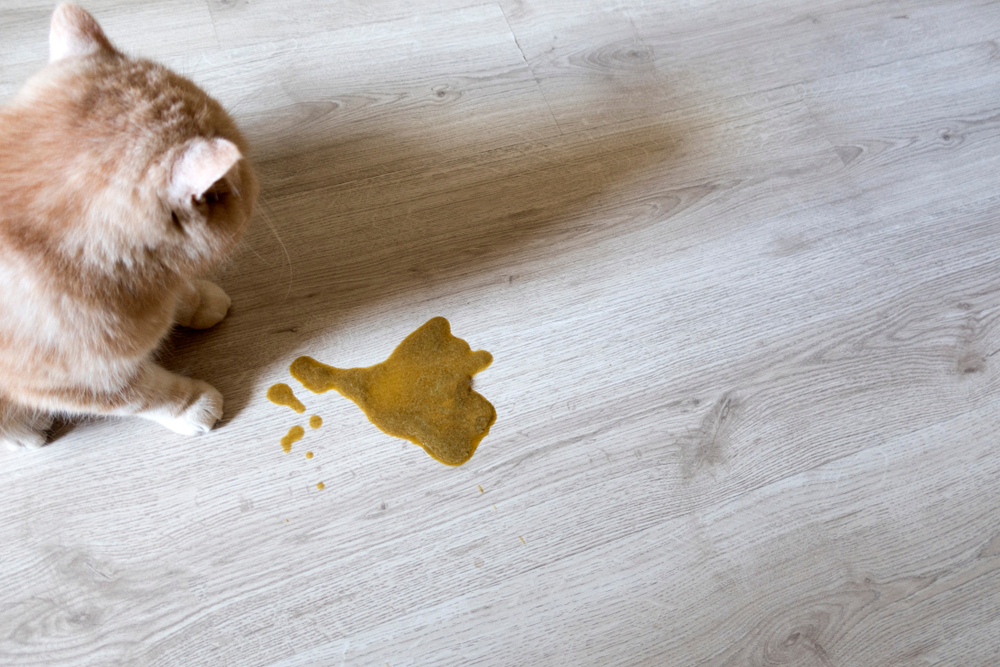
There’s a threshold you cross at some point, from “they’ve been a little barfy lately” to “something is genuinely wrong and I need to do something about it.” It’s not always obvious where that threshold is. One vomiting episode after getting into the garbage is one thing. Three episodes in a week for the past month is another. Chronic vomiting, recurring vomiting over weeks or months, is your pet’s digestive system signaling that something isn’t right, and the range of possible causes spans everything from dietary sensitivities to inflammatory bowel disease to conditions that need prompt intervention.
At Krichel Animal Hospital in Keokuk, we take a vomiting problem seriously when it keeps coming back. We’ll work with you methodically, starting with the most likely explanations and following the evidence wherever it leads. Our services include the diagnostics needed for a proper workup. Request an appointment when you’re ready.
When Does Vomiting Become a Chronic Problem?
The line between an occasional upset stomach and chronic GI disease isn’t always crisp. The general clinical definition: vomiting that persists or recurs over a period of two to three weeks or longer, or vomiting that occurs more than once or twice a month for several months. By that standard, “they vomit a couple times a week, but otherwise seem fine” already qualifies as chronic and deserves evaluation.
Useful questions to track:
- How often? Multiple episodes per week, even if your pet looks well between them, points to a chronic process.
- What does it look like? The appearance of vomit (yellow bile, foamy white, undigested food, partially digested food, blood) gives clinical clues.
- When does it happen? Mornings before eating, shortly after meals, several hours after meals, or with no clear pattern? Each suggests different mechanisms.
- Is anything else changing? Weight loss, decreased appetite, changes in stool, energy level, water intake, or coat quality.
A critical distinction: true vomiting involves abdominal effort, with your pet hunching and contracting their stomach muscles. Regurgitation looks more passive, with food coming back up without effort, often shortly after eating. Conditions like megaesophagus cause regurgitation rather than true vomiting and require a different diagnostic approach.
For cats, occasional hairballs are common, but excessive frequency (more than once monthly) or vomiting attempts that don’t produce a hairball warrant evaluation. The “it’s just a few hairballs” framing is one of the most common misattributions we see in cats whose chronic vomiting actually reflects underlying disease.
What Are the Most Common Causes of Chronic Vomiting?
Causes span a wide range, and a methodical workup is how we narrow them down.
Dietary Causes
- Food intolerances and allergies produce chronic, low-grade vomiting that often resolves with diet change. Common culprits are specific protein sources (beef, chicken, dairy).
- Inappropriate diet for life stage or health condition can produce ongoing GI symptoms, particularly in pets transitioned to adult food too early or kept on puppy/kitten food too long.
- Treat overload including high-fat treats, table scraps, and rotation of multiple treat brands can disrupt GI balance even when meals stay consistent.
- Eating too quickly stretches the stomach rapidly and can trigger vomiting, particularly in dogs. Interactive feeders slow eating dramatically and reduce this kind of vomiting.
Choosing the right food for your specific pet often matters more than most people realize.
Foreign Bodies and Obstructions
Gastrointestinal foreign bodies deserve special attention because they can cause both acute and unexpectedly chronic patterns. Partial obstructions from objects (toys, fabric, bones, string) can produce waxing-and-waning vomiting for weeks before becoming a complete obstruction. Cats with linear foreign bodies (string, ribbon, dental floss) are particularly at risk for serious GI damage that develops gradually.
If your pet has a habit of eating things they shouldn’t, and chronic vomiting has developed, imaging is often part of the early workup.
Systemic and Organ Disease
Vomiting and GI symptoms aren’t always GI problems. Several systemic conditions present with chronic vomiting as a primary or early sign:
- Chronic kidney disease: in dogs and cats, commonly causes chronic vomiting, often with increased thirst and urination
- Liver disease in dogs and liver and gall bladder disease in cats: produce vomiting along with appetite loss and sometimes jaundice
- Hyperthyroidism: in cats, causes chronic vomiting, weight loss despite increased appetite, and restlessness
- Pancreatitis: can be chronic or recurrent, with vomiting as one of the main signs
- Diabetes: in both species, can present with vomiting along with increased thirst and urination
These conditions are common enough that they’re standard considerations in any chronic vomiting workup, and they’re often picked up on initial bloodwork. Senior pets, in particular, benefit from this systematic approach. The signs of senior pet health problems often start as nonspecific GI symptoms before becoming more obvious.
Primary GI Tract Conditions
When systemic causes are ruled out, the focus shifts to the GI tract itself:
- Inflammatory bowel disease (IBD): a chronic immune-mediated inflammation of the GI tract, producing chronic vomiting, diarrhea, and weight loss. Diagnosis typically requires biopsy.
- Intestinal lymphoma: can mimic IBD almost perfectly, particularly in cats, and biopsy is required to distinguish them. The treatments differ entirely.
- Gastric ulcers: cause chronic vomiting often with blood, and may develop secondary to medications, stress, or other GI conditions.
- Bilious vomiting syndrome: produces yellow vomit on an empty stomach in dogs, typically resolving with simple dietary management.
- Pyloric stenosis: delays gastric emptying and produces vomiting hours after meals.
- Gastric cancer: while less common, can present with chronic vomiting in older pets.
Stress and Behavioral Contributors
Chronic stress affects the GI tract in pets just as it does in people. Episodic vomiting that correlates with household changes, schedule disruptions, or specific environmental triggers may have a behavioral component. Stress and anxiety in dogs and feline stress often produce GI symptoms when prolonged. Stress-related vomiting is typically a diagnosis of exclusion after medical causes have been ruled out.
What Should You Watch for and When Should You Act?
Chronic vomiting warrants a planned visit. Some accompanying signs, however, mean don’t wait:
- Persistent vomiting more than three or four times in a few hours
- Inability to keep water down for more than a few hours
- Blood in vomit (bright red or coffee-ground appearance)
- Severe lethargy or weakness
- Signs of dehydration (thick saliva, sunken eyes, skin tenting)
- Pale or yellow gums
- Distended, painful abdomen
- Noticeable weight loss
For these situations during open hours, our urgent care services handle same-day evaluation. After hours, our on-call doctor is available by phone for severe situations.
What a Chronic Vomiting Workup Looks Like
The workup is methodical, starting with broad screening and narrowing as findings emerge. A typical sequence:
- Detailed history: timing, appearance, frequency, diet, treats, environment, recent changes
- Physical exam: hydration assessment, abdominal palpation, weight tracking, gum color
- Bloodwork to evaluate organ function, electrolytes, blood sugar, and inflammation
- Urinalysis to assess kidney function and rule out urinary causes
- Fecal testing to identify intestinal parasites
- Digital radiographs to identify foreign bodies, masses, and gross abnormalities
- Ultrasound for detailed soft tissue evaluation including organ structure and intestinal wall thickness
- Specific endocrine testing (T4 in cats, ACTH stimulation, etc.) when indicated by initial findings
- Diet trial with novel protein or hydrolyzed protein diet for suspected food sensitivity
- Endoscopy for direct visualization and surface biopsy of the GI tract
- Exploratory laparotomy when imaging suggests something requiring hands-on evaluation, or when full-thickness samples are needed
- GI biopsy to definitively diagnose IBD versus lymphoma versus other GI diseases
We’ll explain at every stage what we’re looking for and why. Some pets get a clear answer with bloodwork alone. Others require the full sequence to find the cause. As an AAHA-accredited practice, we follow established standards for chronic disease workups.
Treatment Pathways
Treatment follows the diagnosis. Common pathways:
- Dietary management: prescription GI diets, elimination of suspected triggers, transition to novel or hydrolyzed protein
- Symptomatic care: anti-nausea medications, acid reducers, prokinetics
- Antiparasitics for confirmed parasitic infections
- Specific treatment for systemic conditions (kidney disease, hyperthyroidism, pancreatitis, diabetes)
- Immunosuppressive therapy for IBD
- Chemotherapy for confirmed lymphoma (often producing dramatic improvement when started early)
- Surgical intervention for foreign bodies, obstructions, or some masses
- Behavioral management and environmental changes for stress-related contributions

For pets with chronic conditions, follow-up matters. Treatment plans are adjusted based on how each individual responds, and rechecks at planned intervals catch developing complications early.
Frequently Asked Questions About Chronic Vomiting
How often is too often for occasional vomiting?
Generally, more than once or twice a month, especially if it’s happening regularly over multiple months, warrants a workup. “Occasional” should be rare, not weekly.
Can I just switch foods to fix chronic vomiting?
Sometimes, but blindly switching foods can mask developing systemic disease. If a diet change resolves symptoms, that’s useful information, but persistent symptoms after diet change need a workup, not another food trial.
My older cat has been vomiting weekly for years. The previous vet said it was hairballs. Is that really likely?
Probably not, especially if vomiting persists year-round and includes vomiting that doesn’t produce a hairball. Chronic vomiting in cats is one of the most undertreated conditions we see, and it often turns out to be IBD, lymphoma, hyperthyroidism, or kidney disease in disguise.
Can over-the-counter human anti-nausea medications help?
Don’t use them. Many human GI medications aren’t safe in pets, and even safe ones can mask serious problems. Always check with us before giving any human medication.
What if the workup doesn’t find anything?
That happens, and it’s still useful information. Negative findings narrow the possibilities and shape next steps. Sometimes a diet trial after a normal initial workup produces resolution. Sometimes a follow-up visit weeks later catches a developing finding that wasn’t visible the first time.
Getting to the Real Answer
Chronic vomiting is your pet’s body asking for help, often in the only way it knows how. The good news is that the great majority of these cases reach a real answer with a methodical workup, and the great majority of those answers come with effective treatment. The pets who do best are the ones whose families decide to stop guessing and bring them in for an honest look.
If your pet has been vomiting more than they should, our team will work through the possibilities with you carefully and clearly. Contact us to schedule a visit. We’d much rather help you find the answer now than treat preventable complications later.




Leave A Comment