

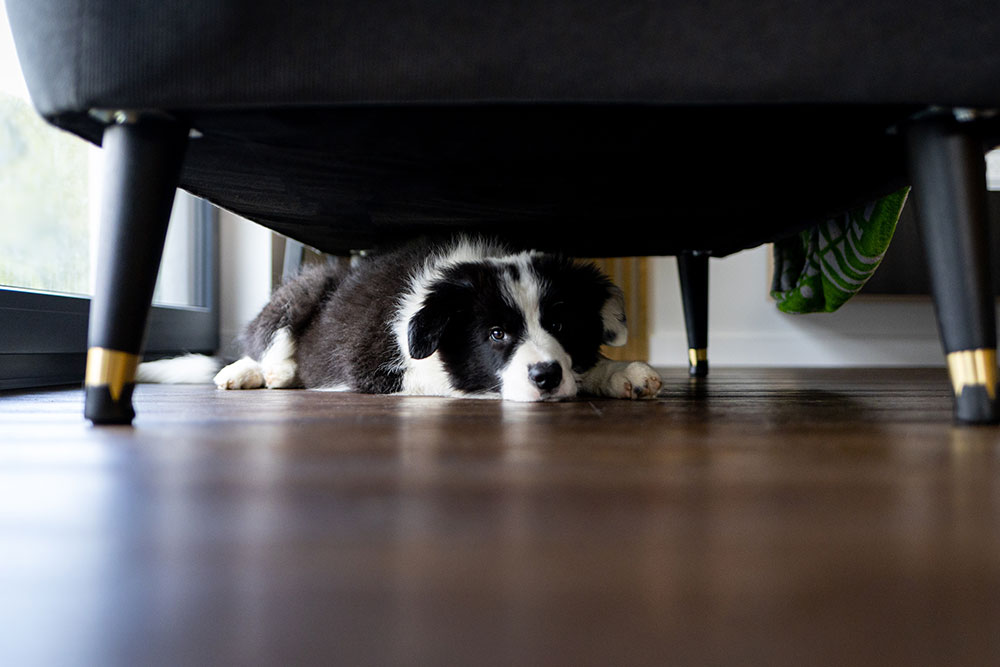
Thunderstorms, vet visits, or being left alone can trigger fear-based behaviors in dogs and cats. Shaking, hiding, or destruction are all cries for help. Addressing stress through training, environmental control, and veterinary guidance can make life easier for anxious pets.
At Krichel Animal Hospital, our AAHA-accredited team understands that anxiety is a medical and behavioral condition requiring compassionate, individualized care. We promise our best, every single time, helping pets and their families build calmer, more confident lives together.
What Pet Anxiety Really Means
Pet anxiety is more than just nervousness. It’s a behavioral and medical condition that affects how dogs and cats experience the world around them. Unlike humans, pets can’t verbalize their distress. Instead, they communicate through body language and behavior changes that owners must learn to recognize.
Early recognition matters. Chronic stress weakens the immune system, disrupts sleep, and can escalate into destructive or self-harming behaviors. Understanding what triggers anxiety and how it manifests allows you to intervene before temporary fear becomes a lifelong pattern.
Why Pets Experience Stress and Fear
Multiple factors contribute to anxiety in pets, and identifying the root cause is essential for effective treatment.
Environmental factors include loud noises from construction, fireworks, or thunderstorms, as well as changes in home routines or living arrangements. Social stressors arise when new babies, new pets, or altered schedules disrupt familiar patterns. Pets thrive on predictability, and sudden changes can trigger significant anxiety. Cats are especially prone to anxiety from environmental changes
Medical causes often underlie behavioral changes. Physical discomfort or pain from arthritis, dental disease, or illness can manifest as irritability, hiding, or aggression. Aging pets may develop cognitive dysfunction, a condition similar to dementia that causes disorientation, confusion, and increased anxiety.
Because medical conditions frequently present as behavioral problems, veterinary evaluation is the critical first step. Treating underlying pain or illness often resolves what initially appeared to be pure anxiety.
How to Recognize Anxiety in Your Dog or Cat
Anxiety looks different in every pet, but certain patterns emerge across species. Learning to read these signs helps you respond quickly and appropriately.
Physical and Behavioral Warning Signs
Dogs may tremble, pant excessively, pace, spin in circles, chew destructively, bark repeatedly, or lose bladder control during stressful moments. These behaviors intensify during triggering events and may persist even after the stressor disappears.
Cats often hide for extended periods, overgroom until bald patches appear, become aggressive without apparent provocation, or experience changes in litter box habits. Many cat behavior issues stem from anxiety rather than defiance or spite. Cats are masters at concealing distress, making subtle changes easy to miss.
Reading Body Language to Understand Emotional States
Body language reveals what words cannot. Canine body language includes lip licking, yawning when not tired, turning the head away, crouching low, or tucking the tail between the legs. These signals indicate discomfort and should never be ignored.
Feline cues include flattened ears, dilated pupils, crouching posture, and tense muscles. The feline grimace scale helps identify pain-related facial tension, distinguishing physical discomfort from emotional distress.
Learning these visual cues allows you to catch stress early, before it escalates into panic or aggression.
What Triggers Anxiety in Dogs and Cats
Understanding specific triggers helps you create management strategies tailored to your pet’s needs.
When Noise Becomes Overwhelming
Noise aversion affects countless pets, causing intense fear responses to sounds like storms, fireworks, or construction equipment. Thunderstorms present a particularly complex challenge because they combine barometric pressure changes, thunder vibrations, lightning flashes, and rain sounds.
Early desensitization training and creating safe spaces can reduce fear over time, but severe cases may require veterinary intervention and medication.
Social Dynamics and Environmental Changes
Major life transitions disrupt routines and trigger anxiety. New family members, empty nests, or altered work schedules all affect pets deeply.
Separation anxiety in dogs causes destruction, excessive barking, or escape attempts shortly after owners leave. This condition differs from boredom and requires specific behavioral modification techniques.
For pets who experience separation anxiety, boarding with the team at Krichel Animal Hospital offers a monitored environment where your pet receives professional supervision, social interaction, and comfort until your return.
Multi-cat households face unique challenges. Inter-cat tension develops when introductions are rushed or when cats lack adequate resources and personal space. Reactive behavior and resource guarding often stem from fear rather than dominance, requiring empathy and understanding to resolve.
Effective Strategies for Managing Pet Anxiety
Managing anxiety requires a multi-faceted approach combining behavioral training, environmental modifications, and veterinary support.
Building Confidence Through Positive Training
Positive reinforcement training rewards calm behavior and creates positive associations with previously frightening situations. Desensitization and counter-conditioning work together to gradually reduce fear responses.
The engage-disengage training game teaches pets to notice triggers without reacting, building emotional resilience over time. Cooperative care training for dogs and cats reduces handling fear during veterinary visits or grooming sessions, making necessary care less traumatic.
Punishment always increases anxiety and undermines trust. Training should focus on rewarding desired behaviors rather than correcting unwanted ones.
Creating Enriching, Calming Environments
Mental stimulation channels natural instincts and builds confidence. Cats benefit from enrichment toys, vertical spaces, and hiding spots that satisfy their need for safety and exploration. The indoor cat environment should include multiple resources distributed throughout the home.
Dogs thrive with enrichment ideas like puzzle toys, varied play routines, and opportunities for natural behaviors. Sniffari walks allow dogs to explore their environment through scent, providing mental exercise and stress relief.
Enrichment prevents boredom-based anxiety while building problem-solving skills and emotional stability.
Medical Support and Calming Aids
Some pets require veterinary-prescribed medications or calming supplements to manage severe anxiety. Pheromones like Adaptil for dogs and Feliway for cats create a sense of safety by mimicking natural calming signals.
Our comprehensive services at Krichel Animal Hospital include pain management and diagnostics to ensure no underlying illness is mistaken for purely behavioral anxiety. Treating physical discomfort dramatically improves emotional stability and overall quality of life.
Partnering with Your Veterinarian for Better Outcomes
Professional guidance transforms anxiety management from guesswork into a structured treatment plan.
Reducing Stress During Veterinary Visits
Vet visits themselves can trigger anxiety, creating a cycle of fear that makes future appointments harder. Bringing treats, toys, or bedding from home helps pets feel more secure. Scheduling quieter appointment times or arranging “happy visits” where pets receive treats without procedures builds positive associations.
Practicing gentle handling at home prepares pets for examinations. Pre-visit medications or pheromone sprays can calm anxious pets before travel, making the entire experience less traumatic.
Diagnostic Tools That Identify Root Causes
Veterinary evaluation includes a thorough physical examination, blood work to assess organ function, and a detailed behavioral history review. Our in-house laboratory at Krichel Animal Hospital provides rapid results, allowing us to differentiate anxiety-related behaviors from pain, illness, or neurological issues quickly.
Accurate diagnosis ensures treatment addresses the actual problem rather than just managing symptoms.
Common Myths About Pet Anxiety
“They’ll grow out of it.” Anxiety rarely resolves without intervention. Early treatment prevents lifelong fear responses and improves long-term outcomes.
“Punishment works.” Punishment increases fear, damages trust, and worsens anxiety. Positive reinforcement creates lasting behavioral change without emotional harm.
“Medication is a last resort.” For some pets, medication enables successful behavior therapy and dramatically improves quality of life. It’s a tool, not a failure.

Frequently Asked Questions About Pet Anxiety
When does anxiety require medical help?
When it disrupts daily life, causes injury, or fails to improve with environmental changes and training alone, professional intervention becomes necessary.
What should I do first if I suspect anxiety?
Track triggers and patterns, maintain consistent routines, and schedule an appointment to rule out medical causes before focusing solely on behavior modification.
Can anxiety resolve on its own?
Rarely. Without treatment, anxiety typically persists or worsens. Early intervention prevents chronic fear patterns from becoming deeply ingrained.
Supporting Your Pet Through Every Challenge
Recognizing anxiety is the first step toward helping your dog or cat live a calmer, happier life. With patience, proper training, and veterinary support, even severely anxious pets can thrive.
At Krichel Animal Hospital, we combine medical expertise with compassionate care to address both the physical and emotional needs of anxious pets. Our team is here to help you understand your pet’s behavior and create an effective treatment plan. Contact us or explore our Pet Health Library to learn more about supporting your pet’s emotional well-being.


Leave A Comment